
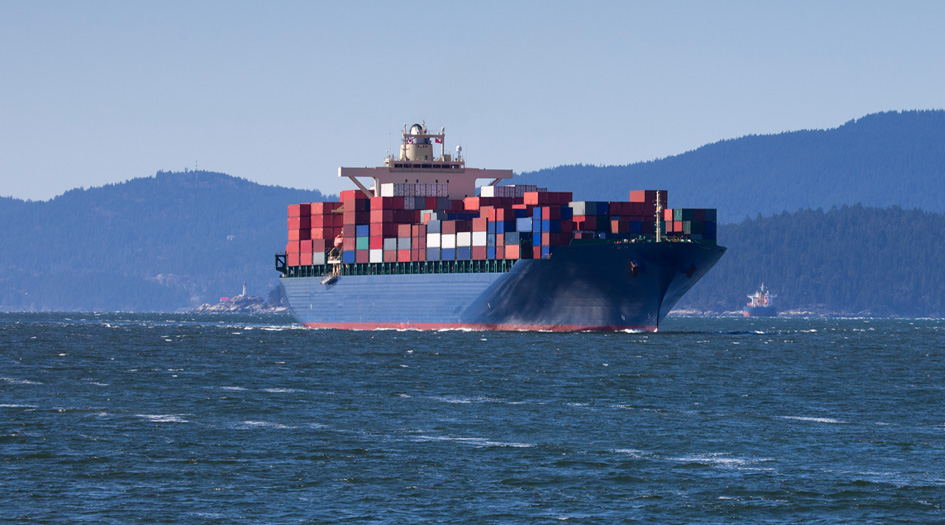
Bottom line: Hull and Machinery (H&M) insurance covers damage to your own vessel. Protection and Indemnity (P&I) insurance covers your legal liabilities to third parties. Commercial vessel owners need both because one protects your physical assets, while the other helps protect your business from potentially costly claims and lawsuits.
Whether you operate a commercial fishing vessel, ferry, tour boat, or a complex commercial fleet, your daily business depends on keeping your vessels on the water and running smoothly. But even experienced operators can't eliminate every risk. A collision, equipment failure, onboard injury, or environmental incident can quickly result in unexpected, business-threatening costs.
That's why savvy commercial vessel owners rely on two key types of marine insurance coverage: Hull and Machinery (H&M) insurance and Protection and Indemnity (P&I) insurance. Together, they help address both physical damage and third-party liability risks.
What is Hull and Machinery (H&M) insurance?
For marine businesses, a vessel is more than equipment. It's essential to their daily operations. If your vessel is damaged by a covered loss, H&M insurance can help pay for repairs or replacement costs.
What does Hull and Machinery insurance typically cover?
A Hull and Machinery policy generally covers physical damage to your vessel, including:
- The vessel's hull and structure
- Engines, generators, boilers, and propulsion systems
- Permanently attached equipment and machinery
- Navigation equipment and operational gear
What about collision liability?
Hull and Machinery insurance may also provide limited coverage when your vessel is responsible for a collision with another vessel. However, a collision can create liabilities that extend far beyond damage to the vessels involved.
For example, a collision could result in bodily injuries, environmental contamination, cargo claims, or even the need to remove a wreck. While H&M insurance helps address physical damage and certain collision-related liabilities, Protection and Indemnity insurance is designed to respond to these broader, more complex exposures.
Covered perils of the sea
Hull and Machinery insurance typically responds to physical damage caused by events such as:
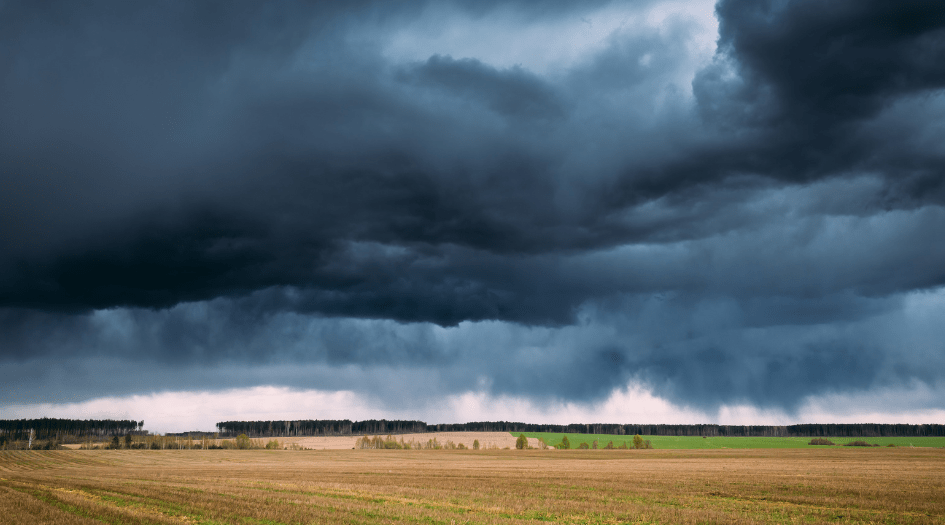
- Heavy weather and storm damage
- Collision with another vessel
- Striking a submerged object
- Grounding or running aground
- Fire, explosion, or sinking
What is Protection and Indemnity (P&I) insurance?
Protecting your vessel is only one part of managing marine risk. Commercial vessel owners also need protection against liabilities that can arise while operating on the water. Because maritime operations involve unique exposures and legal considerations, standard commercial liability coverage may not address all marine-related risks.
What does P&I insurance typically cover?
P&I insurance is designed to cover liabilities that extend beyond damage to your own vessel, including:
- Injuries: bodily injury, illness, or loss of life
- Third-party property damage: damage caused to docks, piers, bridges, terminals, or other vessels
- Pollution and environmental liabilities: cleanup costs, legal expenses, and liability arising from fuel or chemical spills
- Wreck removal costs: expenses associated with removing a sunken vessel when required by authorities
- Cargo damage claims: liability related to the loss of or damage to customer cargo
- Legal defence costs: expenses associated with responding to covered claims
For many operators, these liabilities can exceed the cost of repairing a vessel, making P&I insurance an important part of a comprehensive risk-management strategy.
Why is P&I separate from Hull insurance?
Unlike damage to a vessel, liability claims can be difficult to predict and, in some cases, extremely costly. A serious pollution event, major injury claim, or loss of life can create financial obligations that far exceed the cost of repairing a vessel.
Historically, these risks led shipowners to form mutual associations, often called P&I clubs, which pooled resources to help address liability exposures that traditional marine insurers were reluctant to assume. While marine insurance has evolved, the distinction remains the same: Hull insurance protects the vessel itself, while P&I insurance helps cover legal liabilities arising from vessel operations.
Hull and Machinery vs. P&I: What's the difference?
Feature | Hull & Machinery (H&M) | Protection & Indemnity (P&I) |
|---|---|---|
Covers... | Damage to your vessel | Your legal liability to others |
Primary risk | Asset loss | Lawsuits and third-party claims |
Example 1 | Repairing your hull after a collision | Medical bills for an injured passenger |
Example 2 | Repairing or replacing a failed engine | Cleanup costs from a fuel spill |
Example 3 | Fire damage in the engine room | Damage to a customer's cargo |
Why commercial vessel owners need both
Hull and Machinery insurance and P&I insurance are designed to work together.
Consider a common scenario: during a severe storm, a vessel loses steerage and collides with a dock. The impact damages the vessel, injures a passenger, and causes a fuel spill in the harbour.
In this situation, Hull and Machinery insurance may help pay for repairs to the vessel and damaged equipment. P&I insurance may help cover liability related to the fuel spill, damage to the dock, and injury claims arising from the incident.
Each policy responds to a different part of the loss. Together, they help create a more complete marine insurance program by addressing both vessel damage and third-party liabilities.
Protect your business on the water
Marine risks can be unpredictable, but reviewing your insurance coverage doesn't have to be.
Talk to your licensed insurance broker to determine whether your Hull & Machinery and P&I coverage aligns with your fleet, operations, and risk exposures.