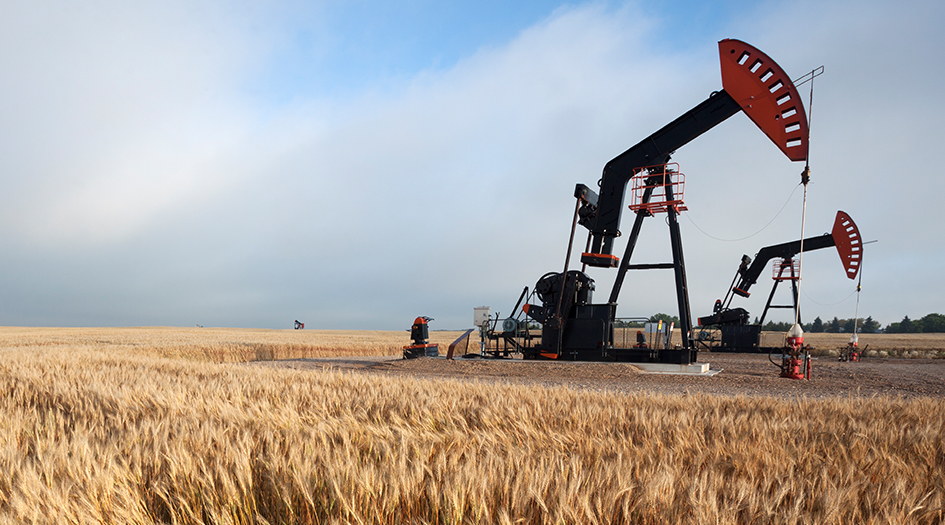
You’ve just won a major contract. Your team is set to support a huge shale play in Texas or a pipeline project in North Dakota. This is the opportunity you’ve been working toward. Then, the Master Service Agreement (MSA) from your U.S. client arrives, and it’s an insurance minefield.
Many Canadian energy operators make the mistake of assuming their domestic insurance policy will meet the strict requirements of a U.S. producer and are surprised when they learn that it won’t. This common misunderstanding can lead to lost contracts, project delays, and significant financial risk.
This guide will help you avoid those pitfalls. We’ll break down the five key insurance considerations your oil and gas business must address to work successfully and safely in the United States.
1. The MSA challenge: meeting U.S. liability demands
The problem: Your U.S. clients use Master Service Agreements to transfer a large amount of risk to their contractors. Your standard Canadian $2 million general liability policy is simply not enough to satisfy their demands.
The solution: You need to increase your coverage limits. U.S. contracts often require liability limits of $5 million, $10 million, or even more. This is where Umbrella or Excess Liability insurance comes in. It provides extra coverage on top of your existing policies to meet these higher requirements.
These contracts will also include Indemnity Agreements. In simple terms, this means you are contractually promising to protect your client from financial loss, even in situations where they are partially at fault. Your insurance policy must be strong enough to back up this important promise.
2. The pollution problem: covering spills and leaks
The problem: A standard general liability policy may contain what is called an "absolute pollution exclusion." For an oil and gas operator, this is a critical flaw. It means a fuel spill, frac water leak, or similar environmental incident would likely not be covered, leaving you to pay for cleanup and damages out of pocket.
The solution: You need specialized coverage. Look for a policy that includes Sudden and Accidental Pollution Coverage. This adds back coverage for pollution events, helping to pay for bodily injury, property damage, and the high costs of cleanup. For very high-risk work, like site reclamation, a separate Environmental Impairment Liability (EIL) policy might be necessary and required.
3. Boots, rigs, and trucks: insuring your people and equipment stateside
The problem: You can't just send your Canadian workers and equipment across the border. Provincial workers' compensation (WCB) and standard Canadian auto and equipment policies are not designed for U.S. operations.
The solution:
- For your people: You will need Foreign Voluntary Workers' Compensation (FVWC). This covers medical expenses and repatriation for employees who get injured on a U.S. job site, as required by law and your client’s MSA.
- For your rigs & equipment: Your Contractors Equipment policy needs a U.S. extension to cover your valuable assets. This is crucial for specialized equipment like rigs and logging tools, as the cost of repairs or replacement in the U.S. can be very high.
- For your fleet: If your company trucks will be crossing the border, you’ll need U.S. Commercial Auto Endorsements. Many U.S. states require much higher auto liability limits, often $1 million USD or more.
4. The "admitted paper" dealbreaker: getting your insurance certificate accepted
The problem: Your U.S. client’s risk manager will likely reject an insurance certificate from your Canadian provider. They legally require proof of insurance from a company that is "admitted" (i.e. officially licensed) to do business in their state.
The solution: "Admitted paper" simply means the insurance policy is issued by a company regulated by that specific U.S. state. This gives your client confidence that the policy meets their local standards. While you will still need a licensed U.S. broker to legally place this state-specific coverage, you don't have to go through the headache of finding one on your own. A specialized Canadian broker can coordinate directly with a licensed U.S. broker through their global network. This allows you to keep the convenient Canadian service you already know, while your brokers handle the complex U.S. licensing and placement seamlessly in the background.
5. One partner, two countries: the power of a unified program
The problem: Imagine trying to manage multiple direct, disconnected relationships on your own; dealing with one broker in Alberta for your Canadian coverage, a separate U.S. broker in Texas, and perhaps another in Pennsylvania. Managing these independent relationships directly is a chaotic, expensive, and time-consuming administrative headache. It also highly increases the risk of dangerous coverage gaps and conflicting advice.
The solution: A unified, cross-border insurance program streamlines everything through a single, coordinated system. Think of it as a "hub-and-spoke" model:
- The hub: Your Canadian broker acts as your central partner and single point of contact. They manage your global program and coordinate directly with their trusted U.S. partner broker in the background.
- The spokes: The U.S. partner broker handles the required local state placements, ensuring your policies are fully admitted and compliant.
This unified approach gives you the best of both worlds. It ensures your Canadian and U.S. policies fit together perfectly with no gaps. Furthermore, if you ever need to file a claim, it will be handled by local U.S. experts but managed and supported through the familiar Canadian team you already trust.
Ready to grow south of the border?
Don't let complex insurance requirements limit your company's growth. Operating in the U.S. energy sector is a huge opportunity, but it requires a specialized insurance strategy, not just an extension of your Canadian plan.
Bid on your next U.S. contract with confidence. Contact your broker to discuss how specialized Oil & Gas Solutions and cross-border expertise can ensure your business is protected.